- 0
- 1,439 word
Choosing Your Car Loan: A Seasoned Practitioner’s Guide
After more than 15 years immersed in the lending landscape, I’ve seen countless individuals navigate the choppy waters of securing a car loan. My goal today is to cut through the jargon and equip you with the practical knowledge to make an informed decision, leveraging a bank loan that genuinely suits your financial situation rather than becoming a burden.
Taking out a car loan from a bank isn’t just about finding the lowest monthly payment; it’s about understanding the entire financial commitment and ensuring it aligns with your long-term goals. Let’s dive into the realities.

1. Laying the Groundwork: Your Financial Readiness Check
Before you even step foot into a dealership or open a bank’s loan application, understanding your own financial standing is crucial. I’ve witnessed too many clients rush into a car purchase, only to discover their credit score wasn’t what they thought, or their debt-to-income (DTI) ratio was too high. This often results in a higher interest rate or even outright loan denial, leading to last-minute desperation and poor choices.
A common mistake beginners make is skipping a thorough credit check. You need to pull your reports from all three major bureaus (Experian, TransUnion, Equifax) and scrutinize them for errors. I had a client, John, who was denied a competitive loan because of an old, inaccurate medical bill on his report. We cleared it up, and his score jumped 50 points, unlocking a much better rate.
Pro Tip #1: Obtain your full credit reports and scores from all three major credit bureaus at least 30-60 days before you plan to apply. Dispute any inaccuracies immediately. This proactive step can save you thousands over the loan’s life.
2. Decoding Bank Offers: Rates, Terms, and Total Cost
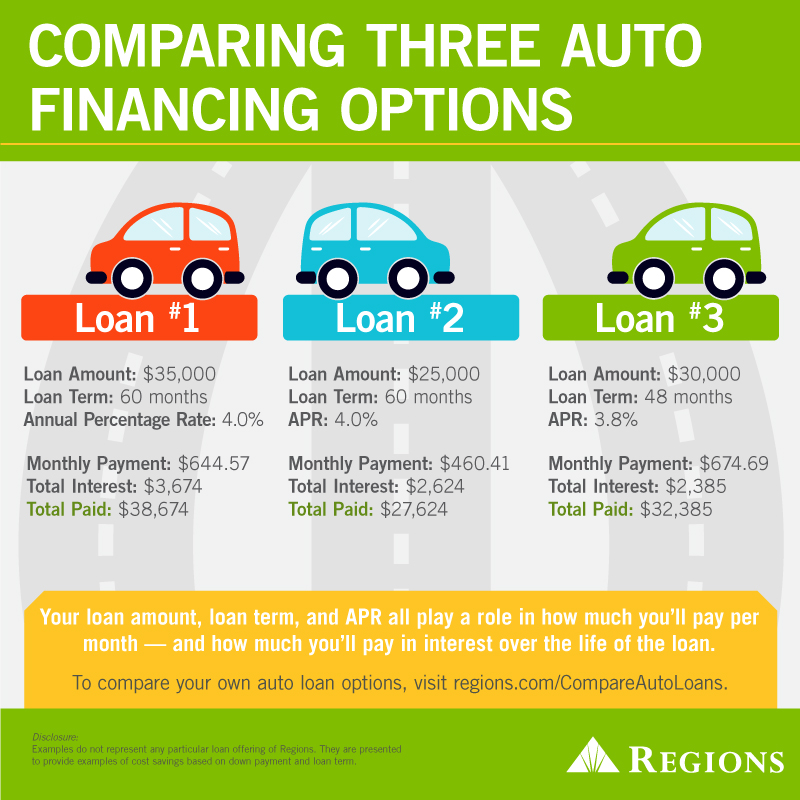
Once you understand your financial picture, it’s time to assess what banks are offering. This isn’t just about the advertised interest rate; it’s about the Annual Percentage Rate (APR), which includes fees, and the loan term. I’ve seen clients blinded by a low monthly payment associated with a 72- or 84-month loan, completely overlooking the astronomical total interest paid over such an extended period. You could pay 50% more than the car’s sticker price in interest alone.
I stress the difference between pre-qualification and pre-approval. Pre-qualification gives an estimate, while pre-approval means the bank has conditionally approved you for a specific amount at a particular rate, based on a hard credit pull. This is gold because it gives you bargaining power at the dealership and a clear budget. Without pre-approval, you’re often at the mercy of the dealership’s financing department.
Pro Tip #2: Secure a pre-approval from at least two different banks before you start car shopping. This provides a baseline interest rate and loan amount, giving you confidence and leverage when negotiating at the dealership. Always compare the APR, not just the nominal interest rate, to get the true cost.
“The best negotiation tactic you have with a dealership isn’t about the car’s price alone; it’s knowing your financing options are solid and competitive before you even walk through their doors.” — Sarah J., Senior Loan Officer
3. Navigating the Application: What Banks Truly Examine
Applying for a car loan requires more than just filling out a form. Banks look for stability and reliability. Beyond your credit score, they scrutinize your employment history, income stability, and existing debt obligations. I once guided a young professional who had recently switched jobs twice in a year. Despite a good credit score, the perceived instability made banks hesitant to offer her the most competitive rates. We had to demonstrate consistent income to mitigate the risk.
A common pitfall I see is applicants providing incomplete or inconsistent information. Banks verify everything, from your stated income to your residential history. Any discrepancies, even minor ones, can raise red flags and delay your approval, or worse, lead to a denial. For instance, if you declare an income that doesn’t align with your pay stubs or tax returns, it immediately undermines your credibility.
Pro Tip #3: Prepare all necessary documentation in advance: government-issued ID, proof of residence (utility bill), several recent pay stubs, and potentially two years of tax returns if you’re self-employed. Having these organized and ready streamlines the process and projects an image of a reliable borrower.
4. Signing on the Dotted Line: Understanding Your Loan Agreement
You’ve found your car and secured a great loan offer. Now comes the final, critical step: reviewing the loan agreement. This is where the devil is truly in the details. I’ve seen clients sign without fully understanding crucial clauses like prepayment penalties or late payment fees. Some loans might charge you a fee if you pay off the loan early, which can negate the benefit of accelerated payments. Others might have extremely high late payment fees or default clauses that trigger quickly.
I worked with a client who only discovered a significant prepayment penalty clause after he had already signed and made a few extra payments, negating his effort to save on interest. Had he read the agreement closely or asked specific questions, he could have opted for a different loan product. Never assume; always ask for clarification on any terms you don’t fully grasp. Review it yourself line by line.
| Feature | Description | Impact on Borrower |
|---|---|---|
| Annual Percentage Rate (APR) | The true annual cost of your loan, including interest and fees. | Higher APR means higher total cost of borrowing. Crucial for comparing offers. |
| Loan Term (Months) | The duration over which you will repay the loan. | Longer terms mean lower monthly payments but significantly more total interest paid. |
| Down Payment | The initial amount of money you pay upfront for the car. | Reduces the loan amount, lowers monthly payments, and can secure better rates. |
| Prepayment Penalties | Fees charged by the lender if you pay off your loan earlier than scheduled. | Restricts your ability to save on interest by paying off debt quickly. Must be avoided if you plan early payoff. |
| Debt-to-Income (DTI) Ratio | Your total monthly debt payments divided by your gross monthly income. | Lenders use this to assess your ability to manage new debt. Lower DTI improves loan eligibility and rates. |
“A car loan isn’t just a transaction; it’s a multi-year financial commitment. Ensure every clause in that agreement supports your long-term financial health, not just today’s convenience.” — David L., Financial Planner
FAQ
How does my credit score impact my car loan?
Your credit score is arguably the most significant factor. Lenders use it to gauge your creditworthiness and risk. A higher score (typically 700+) indicates a lower risk, translating into lower interest rates and more favorable terms. Conversely, a lower score will result in higher interest rates, as banks need to compensate for the increased risk of default. It directly influences your monthly payment and the total cost of the car over the loan term.
Should I get pre-approved before visiting a dealership?
Absolutely, yes. Getting pre-approved from a bank before stepping into a dealership is one of the most powerful strategies you can employ. It transforms you into a cash buyer in the eyes of the dealer, allowing you to negotiate the car’s price more effectively without the pressure of financing. Furthermore, it gives you a benchmark; if the dealership offers you a financing deal, you can instantly compare it to your pre-approval and choose the better option. It eliminates much of the guesswork and stress from the negotiation process.
What are common hidden fees in car loans?
While “hidden fees” are less common with reputable bank loans due to disclosure requirements, some costs can surprise you if you’re not diligent. These often include origination fees (a charge for processing the loan), documentation fees (dealer specific, not bank), and late payment fees. Some loans might have a mandatory auto-pay setup fee or specific charges if you miss a payment and need a deferral. Always ask for a full breakdown of all costs included in the APR and any potential fees outside of it before signing.
Author
Author

stasevich84@gmail.com
Dominic Reed is a certified financial analyst and former portfolio manager with over 10 years of experience in market research and real estate investment strategies. He specializes in evaluating asset classes, macroeconomic trends, and equity risk management. Dominic translates complex institutional market analysis into actionable guides for everyday retail investors looking to build long-term wealth.