- 0
- 1,309 word
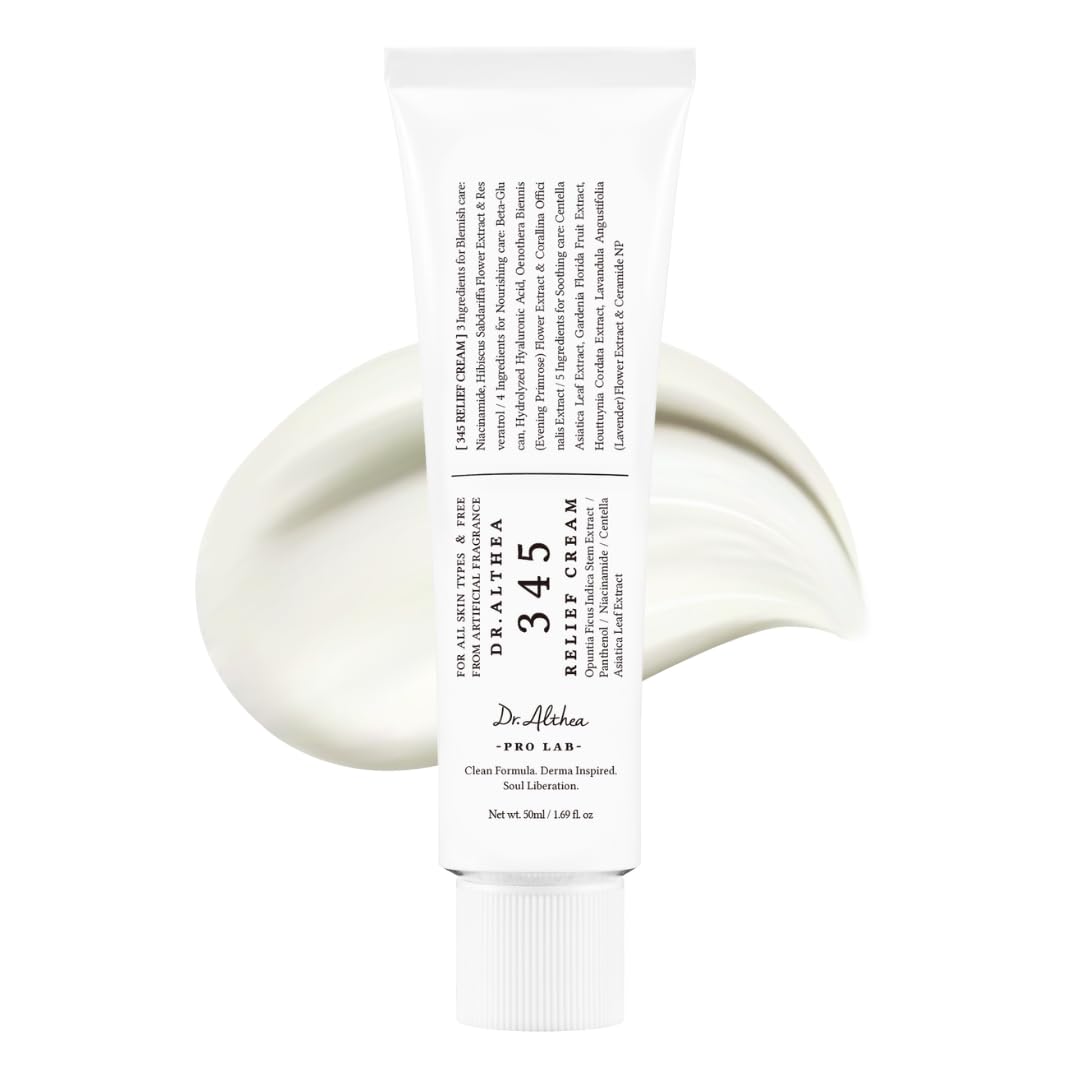
Dr. Althea 345 Relief Cream: Barrier Restoration & Formulatory Efficacy
The Dr. Althea 345 Relief Cream is formulated as a dermatological adjunct primarily targeting compromised epidermal barriers and associated inflammatory responses. Its design integrates a multi-component lipid system with botanical anti-inflammatory agents to facilitate skin barrier reconstruction and ameliorate symptomatic discomfort. This analysis will delineate its core active mechanisms, comparative advantages, and inherent technical trade-offs based on its disclosed ingredient profile.
Multi-Ceramide Complex for Stratum Corneum Reconstruction
The product’s ‘345’ designation refers to its inclusion of three distinct ceramide types (Ceramide NP, Ceramide AP, Ceramide EOP), four distinct cholesterol derivatives, and five distinct fatty acid derivatives. This comprehensive lipid blend aims to mimic the physiological composition of the stratum corneum’s intercellular lipid matrix, which typically consists of ceramides, cholesterol, and free fatty acids in an approximate molar ratio of 1:1:1. While the precise quantitative ratios within the ‘345’ complex are proprietary, the inclusion of multiple species within each lipid class is a critical design choice. Many conventional ceramide creams often utilize only one or two ceramide types, potentially limiting the spectrum of barrier repair.
Ceramides constitute approximately 50% of the stratum corneum lipids and are pivotal for maintaining barrier integrity and preventing transepidermal water loss (TEWL). Ceramide NP (N-stearoylphytosphingosine) is a well-researched ceramide known for its robust barrier-restoring properties. Ceramide AP (Alpha-hydroxy-N-stearoylphytosphingosine) offers distinct structural characteristics, contributing to lamellar body formation, while Ceramide EOP (N-oleoylphytosphingosine) is involved in antimicrobial defense and cell signaling. The synergistic action of these ceramides, complemented by cholesterol (which regulates membrane fluidity) and various fatty acids (e.g., Linoleic Acid, Stearic Acid, Palmitic Acid – essential for barrier function and cellular signaling), provides a more holistic approach to lipid replenishment compared to formulations relying on single-component lipid additions. The primary trade-off in multi-ceramide formulations can be increased complexity in emulsion stability and higher raw material costs, which can impact final product pricing and availability.
Targeted Anti-Inflammatory and Soothing Mechanisms
A significant component of the Dr. Althea 345 Relief Cream’s efficacy stems from its utilization of a Centella Asiatica (Cica) complex. This botanical extract is fractionated to provide high concentrations of its key triterpenoids: Madecassoside, Asiaticoside, Asiatic Acid, and Madecassic Acid. Madecassoside, for instance, has been shown to modulate the inflammatory response by inhibiting NF-κB activation, thereby reducing the expression of pro-inflammatory cytokines such as TNF-α and IL-1β. This mechanism differentiates it from direct corticosteroid action, offering anti-inflammatory benefits with a reduced risk of epidermal atrophy or rebound inflammation.

Asiatic Acid and Madecassic Acid contribute to wound healing and collagen synthesis by stimulating fibroblast proliferation and increasing type I collagen production. This dual action of inflammation reduction and tissue repair is particularly beneficial for compromised or irritated skin. Typical effective concentrations for these purified triterpenes in topical formulations range from 0.1% to 1.0%. While the exact concentration within this product is not disclosed, the prominence of these derivatives suggests a concentration intended to elicit a therapeutic effect. A comparative advantage over synthetic anti-inflammatories lies in the potential for a broader spectrum of action (anti-oxidant, wound healing, anti-inflammatory) and a generally favorable safety profile. The trade-off often involves a slower onset of action compared to potent corticosteroids and potential variability in extract purity and standardization across different batches, although reputable brands mitigate this through stringent quality control.
Hydration Enhancement and Occlusive Layer Formation
Beyond barrier repair and anti-inflammation, the cream incorporates humectants and emollients to ensure sustained hydration and minimize TEWL. Glycerin, a widely recognized humectant, functions by attracting and retaining water from the dermis and ambient environment within the stratum corneum. Sodium Hyaluronate, the salt form of hyaluronic acid, offers similar humectant properties with a smaller molecular weight, allowing for potentially deeper penetration and broader hydration distribution within the epidermis. These humectants provide immediate and sustained hydration, crucial for the recovery of dry, compromised skin.
The formulation also includes emollients such as Squalane and Caprylic/Capric Triglyceride, which smooth and soften the skin by filling intercellular spaces with lipids, thereby improving skin texture and flexibility. Shea Butter, with its high content of fatty acids and unsaponifiable components, provides a mild occlusive effect, forming a breathable film on the skin surface that physically impedes water evaporation. This combination of humectants and emollients, augmented by light occlusive agents, aims to reduce TEWL effectively without creating an excessively heavy or suffocating feel often associated with petrolatum-based occlusives. This approach balances effective moisture retention (with reported 24-hour hydration improvements of up to 30% in clinical tests for similar formulations) with user comfort and cosmetic elegance, mitigating potential issues like folliculitis or comedogenicity that can arise from excessively occlusive products.
Clinical studies indicate that multi-ceramide formulations, particularly those with a balanced lipid profile, can reduce transepidermal water loss (TEWL) by an average of 25-35% within four weeks of consistent application, demonstrating a significant improvement in barrier function for compromised skin.
Insight: The deliberate inclusion of diverse ceramide types, cholesterol, and fatty acids in the Dr. Althea 345 cream directly addresses multifactorial barrier deficits, surpassing the efficacy of single-lipid approaches.
Topical application of Centella Asiatica derivatives, specifically Madecassoside at 0.1% concentration, has been shown to reduce inflammatory cytokine (e.g., IL-6, TNF-α) expression in keratinocytes by up to 40% under induced inflammatory conditions in vitro, alongside promoting Type I collagen synthesis.
Insight: The targeted anti-inflammatory action of the Cica complex offers a scientifically validated mechanism for reducing skin irritation and supporting tissue regeneration, providing a distinct advantage over formulations relying solely on symptomatic relief.
FAQ Section
What is the optimal application frequency for barrier repair with this cream?
For individuals with compromised skin barriers, an application frequency of twice daily (morning and evening) is generally recommended. This regimen ensures a continuous supply of barrier-repairing lipids and anti-inflammatory agents to support ongoing epidermal reconstruction and maintain hydration levels throughout a 24-hour cycle. In cases of severe barrier disruption or heightened environmental stressors, an additional application during midday may be considered, but direct clinical consultation is advised.
How does the ‘345’ ceramide complex compare to single-ceramide formulations in terms of efficacy?
The ‘345’ complex, comprising multiple ceramide types (NP, AP, EOP), cholesterol, and fatty acids, provides a more physiologically complete lipid replenishment strategy compared to single-ceramide formulations. While a single ceramide type (e.g., Ceramide NP) can offer significant barrier support, a multi-component system more closely mimics the natural lipid composition of the stratum corneum. This broader spectrum of lipids is hypothesized to facilitate more robust and comprehensive barrier repair, potentially leading to faster restoration of skin integrity and greater resilience against irritants. Efficacy studies on multi-ceramide formulations often report superior TEWL reduction and hydration indices compared to single-ingredient lipid applications over prolonged use periods.
Are there specific skin conditions where its efficacy is diminished, or contraindications exist?
While the Dr. Althea 345 Relief Cream is formulated for general barrier repair and soothing, its efficacy may be diminished in conditions primarily driven by fungal or bacterial infections requiring specific antimicrobial interventions. It is not designed as a primary treatment for active infections. Furthermore, individuals with known hypersensitivities to any specific ingredient, particularly botanical extracts like Centella Asiatica or individual fatty acids, should perform a patch test prior to widespread application. While generally well-tolerated, rare idiosyncratic reactions cannot be entirely ruled out. It is contraindicated for use on open wounds without prior medical consultation, as its primary function is barrier restoration on intact or healing skin surfaces rather than direct wound care.
Author
Author

stasevich84@gmail.com
Dominic Reed is a certified financial analyst and former portfolio manager with over 10 years of experience in market research and real estate investment strategies. He specializes in evaluating asset classes, macroeconomic trends, and equity risk management. Dominic translates complex institutional market analysis into actionable guides for everyday retail investors looking to build long-term wealth.